Roof Repair · Nevada
Crews document existing conditions before any material is removed and again after the repair is complete. The same inspection checklist is used on every flat roof so nothing is overlooked regardless of building size.
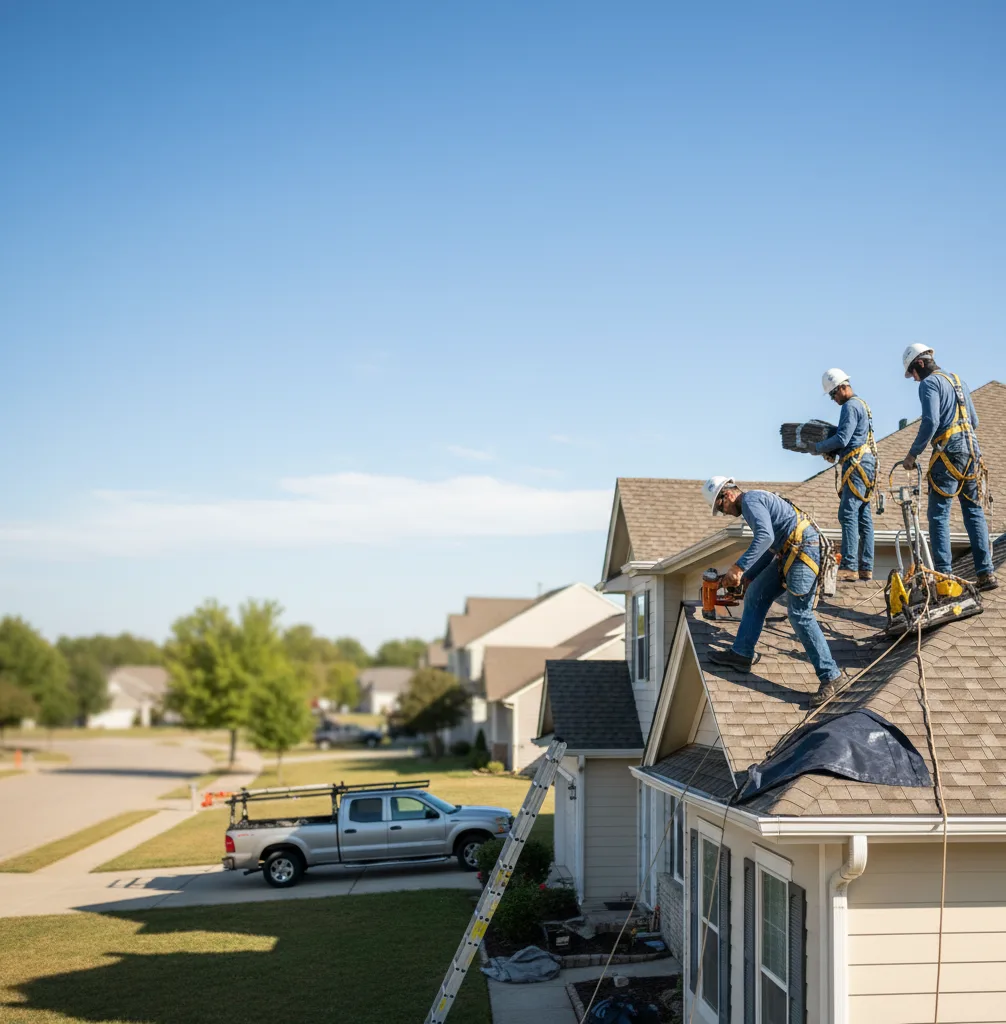
Flat roofs on buildings in Nevada often develop low spots after years of exposure. Hail, heavy rain, high wind, long summer heat and freeze-thaw cycles all take a toll on the surface and allow moisture to sit longer than the membrane was designed to handle. A technician starts by walking the entire area to map where water ponds after storms. They check drains and scuppers first, then look at the condition of the coating or membrane around those points. Small blisters or lifted seams get noted because they show where the layers have separated. Once the survey is complete, the crew can decide whether a targeted patch will hold or whether a larger section needs replacement to restore proper drainage.
Technicians also look beneath the surface when possible. They examine the insulation for signs of saturation and test the slope of the deck to confirm it still moves water toward the outlets. In many cases the original installation left inadequate pitch or the building has settled slightly over time. Both situations create the same result: standing water that accelerates wear. Homeowners can sometimes spot these issues themselves by watching how long puddles remain after rain, yet a full roof inspection in Nevada requires lifting sections of the membrane to check the substrate.
FAQ

Interior water marks can come from roof issues but may also trace to plumbing or condensation in the attic. A roof inspection checks the surface and flashing first. If those areas are dry the source is often elsewhere. The inspection helps narrow it down before other trades are called.
Access, the number of layers already on the roof, and whether decking needs attention all affect the scope. Steeper pitches or limited ladder placement can add time. The inspection identifies these factors so the estimate reflects the actual work required.
Small problems can grow when water reaches the decking or insulation. An early check often limits the repair to the original area. If the roof is already older it is useful to know the overall condition before deciding how long to wait.